Scenic flight to Lukla (2,860 m) – Experience one of the world’s most thrilling mountain flights as you enter the heart of the Khumbu region.
Trek through Sherpa villages – Explore vibrant mountain communities like Namche Bazaar, Tengboche, and Dingboche, rich in culture and hospitality.
Visit Tengboche Monastery (3,867 m) – Discover the spiritual heart of the Khumbu Valley.
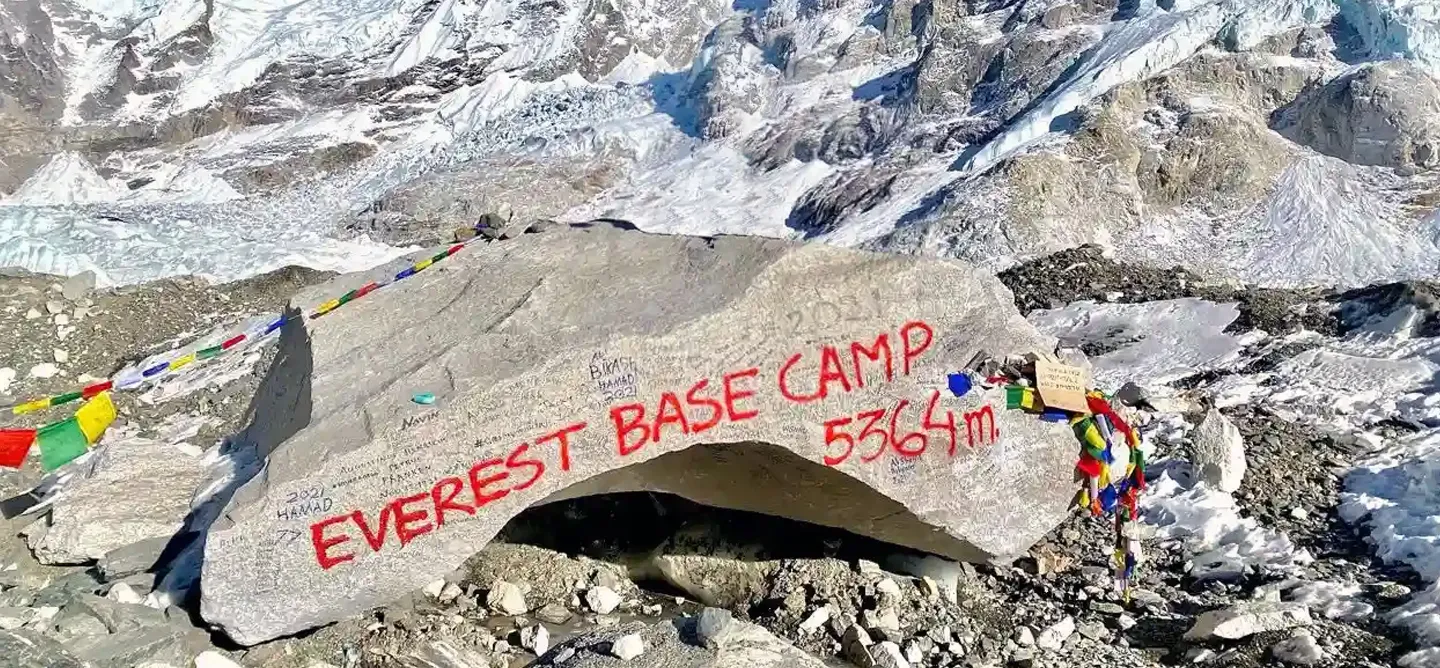
Reach Everest Base Camp (5,364 m) – Stand at the legendary base of the world’s highest mountain.
Climb Kala Patthar (5,545 m) – Witness the most breathtaking sunrise over Mount Everest, Lhotse, and Nuptse.
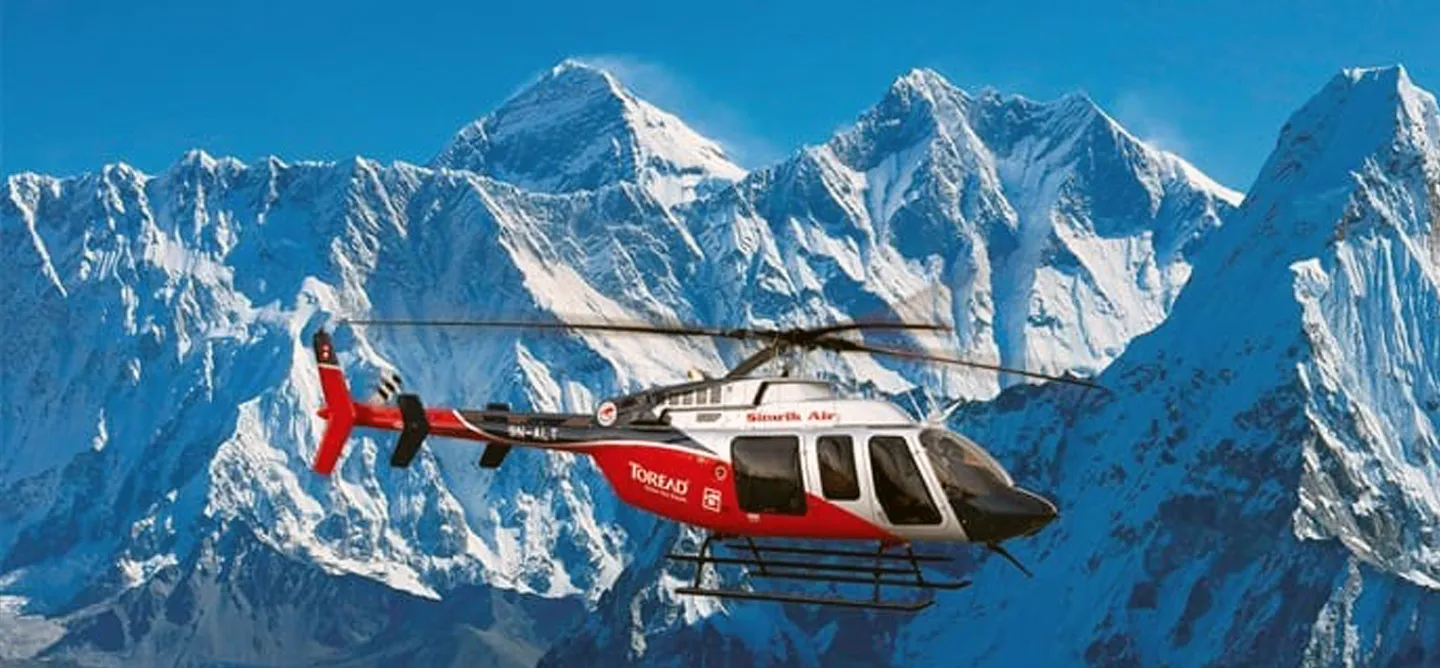
Helicopter flight from Gorakshep to Lukla– Skip the return trek and enjoy a spectacular aerial view of the Everest region, glaciers, and peaks.
Panoramic Himalayan views – See Everest, Lhotse, Ama Dablam, Thamserku, Pumori, and more in one unforgettable journey.
Perfect blend of adventure and comfort – Experience high-altitude trekking with the luxury of a scenic helicopter return.
Cultural encounters – Immerse yourself in Sherpa traditions, monasteries, prayer flags, and mountain life.
Peaceful Himalayan moments – Feel the serenity of remote trails, pristine air, and the humbling power of nature.
Trip Overview
The Everest Base Camp Trek with Heli Out is a thrilling journey into Nepal’s iconic Khumbu region. This 13-14-day trek lets adventurers explore the world’s highest peaks and vibrant Sherpa culture while avoiding the long return trek from EBC to Lukla. Starting with a scenic flight from Kathmandu to Lukla, trekkers traverse through picturesque villages, crossing suspension bridges over the Dudh Koshi River and passing through lush rhododendron and pine forests.
The trail takes you to Namche Bazaar, the bustling Sherpa hub, where vibrant markets, monasteries, and cultural heritage create a lively atmosphere. Acclimatization days in Namche and Dingboche allow trekkers to adapt to high elevations while enjoying optional short hikes with panoramic mountain views. The trek continues through Tengboche Monastery and alpine landscapes, finally reaching Lobuche and Gorakshep, the last stop before Everest Base Camp.
The highlight of this trek is visiting Everest Base Camp at 5,364m and climbing Kala Patthar at 5,545m to witness the breathtaking view of sunrise over the Himalayan giants. After beholding the epic scenery and weaving them into our memories, instead of retracing your steps to Lukla, a helicopter flight takes you back to Lukla. This option saves 2-3 days of trekking while offering a spectacular aerial perspective of Everest, Nuptse, Lhotse, Ama Dablam, and surrounding peaks. The Everest Base Camp Heli Out Trek combines adventure, comfort, luxury, and efficiency, ideal for travelers short on time or seeking a unique Himalayan experience.
Trip Itinerary
Day 1: Arrival in Kathmandu
A representative from Mercy Holidays welcomes you at Tribhuvan International Airport and transfers you to your hotel in Kathmandu. In the evening, your trekking guide or company representative will take you to a Nepali authentic restaurant, where dinner is served, offering a chance to bond with fellow trekkers and soak in the excitement of the journey ahead.
Distance
6.4 KM
Transport
Airport Pick
Max. Altitude
1400m/4553ft
Meals
Welcome Dinner
Accommodation
3-5* Star Hotel
Day 2: Kathmandu Sightseeing & Trek Preparation
Today is dedicated to exploring Kathmandu Valley and finalizing trek preparations. The guide takes you to UNESCO World Heritage sites, including Swayambhunath Stupa, also known as the Monkey Temple, which offers panoramic views of the city. Visit Boudhanath Stupa, one of the largest Buddhist stupas in the world, radiating spiritual serenity with spinning prayer wheels and fluttering flags. You will also explore the historic Durbar Squares, witnessing intricately carved temples, palaces, and courtyards that tell stories of centuries past. Your trekking permits and necessary documentation are checked and arranged to ensure a hassle-free journey. Meanwhile, local markets provide opportunities to shop for last-minute trekking essentials or souvenirs.
In the afternoon, enjoy a relaxing break at a local café, sampling traditional Nepali snacks while observing the vibrant street life. Your guide will demonstrate packing techniques, proper trekking etiquette, and acclimatization strategies. Dinner at the hotel is a chance to socialize with fellow trekkers and mentally prepare for the early morning flight to Lukla. The evening concludes with rest, ensuring you are refreshed for the adventure ahead. This day balances cultural immersion with practical preparation, allowing you to appreciate Kathmandu’s charm while readying yourself for the trek.
Max. Altitude
1400m/4553ft
Meals
Breakfast
Accommodation
3-5* Star Hotel
Day 3: Fly to Lukla and Trek to Phakding (2,610m)
Begin the adventure with a thrilling 30–35 minute flight from Kathmandu to Lukla’s Tenzing-Hillary Airport, one of the world’s highest and most dramatic airstrips. The flight offers sweeping views of snow-capped peaks, deep valleys, and winding rivers. Landing at Lukla is exhilarating, and you immediately feel the crisp mountain air. From Lukla, embark on a gentle 3-4 hour trek along the Dudh Koshi River, crossing iconic suspension bridges adorned with colorful prayer flags. The trail winds through small villages, lush pine forests, and vibrant rhododendron groves that bloom beautifully in spring. Along the way, you catch glimpses of towering Himalayan peaks, adding to the sense of awe and anticipation.
Arrive at Phakding, a peaceful village nestled by the river, where welcoming teahouses provide warmth and comfort. The evening allows you to rest, enjoy traditional Nepali meals such as dal bhat, and mingle with fellow trekkers. Phakding’s serene environment, combined with the flowing river and surrounding greenery, offers a gentle introduction to high-altitude trekking. Spend time exploring the village’s quiet lanes, observing local life, and preparing for the more challenging ascent to Namche Bazaar tomorrow.
Walking Hours
3-4 hours
Distance
145 km
Transport
Airport Transfer
Max. Altitude
2860m/9383ft
Meals
Breakfast Lunch & Dinner
Accommodation
Mountain Tea House
Day 4: Trek from Phakding to Namche Bazaar (3,440m)
The trek today is moderate and takes around 5-6 hours. You ascend through Sagarmatha National Park, passing dense pine forests, mani walls, and rivers with wobbly suspension bridges. The trail gradually climbs, giving you your first clear views of Everest and the surrounding peaks in the distance. Along the way, prayer flags flutter in the breeze, creating a spiritual ambience as you approach the vibrant hub of Namche Bazaar.
Namche Bazaar is the lively heart of the Khumbu region, with bustling markets, traditional shops, and colorful teahouses. Enjoy warm meals and explore the town’s cobbled streets. In the evening, relax at your teahouse while admiring Himalayan views. The altitude begins to challenge your body, making rest and hydration important. This night in Namche allows acclimatization and offers a taste of Sherpa culture, preparing you for higher elevations ahead.
Walking Hours
6 hours
Distance
11 Km
Max. Altitude
3440m/11286ft
Meals
Breakfast Lunch & Dinner
Accommodation
Mountain Tea House
Day 5: Acclimatization Day in Namche Bazaar
Spend the day acclimatizing with optional hikes to Everest View Hotel (3,880m) or Khumjung village, home to Hillary School. These short excursions help your body adjust while offering panoramic views of Everest, Ama Dablam, and other peaks. Wander through Namche Bazaar’s bustling streets, interact with locals, and visit the Sherpa Culture Museum to learn about the region’s traditions.
Take the afternoon to relax at your teahouse, enjoy hot meals, and soak in the panoramic mountain scenery. Evening discussions with your guide may cover altitude safety, trekking strategies, and preparation for the next day’s climb to Tengboche. This acclimatization day balances light adventure with rest, helping your body adapt to higher altitudes while you immerse yourself in local culture.
Walking Hours
Optional
Distance
5-6 km
Max. Altitude
3860m/12664ft
Meals
Breakfast Lunch & Dinner
Accommodation
Mountain Tea House
Day 6: Trek from Namche to Tengboche (3,860m)
The trail to Tengboche takes 5-6 hours, winding through rhododendron forests and across rivers. Ama Dablam dominates the skyline as you ascend gradually. Along the way, prayer flags and mani walls guide you towards the spiritual heart of the region. The terrain varies between forested paths and open alpine clearings, allowing stunning views of mountains and valleys.
Tengboche is famous for its sacred monastery set against a backdrop of towering peaks. The monastery chants echo through the valley, and local teahouses provide warmth and comfort. Enjoy traditional meals, rest, and reflect on the spiritual atmosphere. The surrounding peaks and the serene environment offer a peaceful respite before continuing to Dingboche.
Day 7: Trek from Tengboche to Dingboche (4,410m)
Today’s trek is 5-6 hours along rivers, stone villages, and alpine trails. The landscape gradually transitions to open valleys with towering peaks surrounding you. Crossing mani walls and prayer flags along the trail, you feel the spiritual and cultural essence of the Khumbu region. Wildlife sightings, such as Himalayan birds and occasional tahr, add to the trail’s charm.
Dingboche is an alpine village with rustic teahouses and panoramic mountain views. Enjoy hearty meals, rest, and acclimatize for the higher elevations to come. This evening is ideal for reflecting on the trek so far and preparing your body and mind for the optional acclimatisation hike tomorrow.
Walking Hours
5-6 hours
Distance
10-11 km
Max. Altitude
4410m/14468ft
Meals
Breakfast Lunch & Dinner
Accommodation
Mountain Tea House
Day 8: Acclimatization Day in Dingboche
Spend the day adjusting to high altitude with optional hikes to Nangkartshang Hill (5,083m), offering panoramic views of Lhotse, Makalu, and Ama Dablam. Short excursions help prevent altitude sickness and strengthen your body for the challenging climbs ahead.
Explore Dingboche’s quiet trails and stone houses, interact with locals, and enjoy the peaceful alpine atmosphere. Relax at the teahouse with warm meals, take in the vast Himalayan scenery, and mentally prepare for the journey toward Lobuche and Everest Base Camp.
Walking Hours
3-4 hours
Distance
4-5 km
Max. Altitude
5083m/16675ft
Meals
Breakfast Lunch & Dinner
Accommodation
Mountain Tea House
Day 9: Trek from Dingboche to Lobuche (4,940 m / 16,207 ft)
The trail from Dingboche to Lobuche is a steady and scenic ascent through rugged alpine terrain. Leaving behind the last patches of cultivated fields, the path gently climbs above the Pheriche Valley, offering stunning views of Taboche, Cholatse, and Ama Dablam.
You’ll trek along open glacial landscapes, crossing small streams and yak pastures before reaching Thukla (Dughla). From here, a steep climb brings you to the Thukla Pass, where memorial cairns honor climbers who perished on Everest — a place that feels both humbling and inspiring. The final stretch follows the lateral moraine of the Khumbu Glacier, leading you to Lobuche, a small settlement nestled among the towering peaks of Nuptse, Pumori, and Lobuche East.
Walking Hours
5-6 hours
Distance
8 km
Max. Altitude
4,940 m / 16,207 ft
Meals
Breakfast Lunch & Dinner
Accommodation
Mountain Tea House
Day 10: Trek from Lobuche to Everest Base Camp (5,364m) via Gorakshep (5,140m)
Hike 7-8 hours from Lobuche to Gorakshep, and then continue to Everest Base Camp, crossing rocky terrain and the Khumbu Glacier. Explore climbers’ tents and marvel at the icy peaks that surround you. Return to Gorakshep for an overnight stay.
The sense of achievement at Base Camp is unparalleled. Celebrate with your team, enjoy a warm meal, and reflect on reaching one of the world’s most iconic destinations. Rest well in basic teahouse accommodations as you prepare for the early morning climb to Kala Patthar.
Walking Hours
7-8 hour
Distance
11-12km
Max. Altitude
5364/17598ft
Meals
Breakfast Lunch & Dinner
Accommodation
Mountain Tea House
Day 11: Kala Patthar (5,545m) for Sunrise, Descent to Gorakshep & Helicopter Ride to Lukla
Early in the morning, hike to Kala Patthar (5,545m) to witness one of the most breathtaking sunrises over Mount Everest, Nuptse, and surrounding peaks. After enjoying the stunning panoramic views, descend to Gorakshep for breakfast. Later, board a scenic helicopter flight to Lukla, offering an unforgettable aerial view of the Khumbu Valley and the mighty Himalayas. Rest and relax at your lodge in Lukla, celebrating the completion of your incredible journey
Walking Hours
2-3 hours
Distance
65 km
Transport
Heli Ride
Max. Altitude
5545m/18192ft
Meals
Breakfast Lunch & Dinner
Accommodation
Mountain Tea House
Day 12: Lukla Kathmandu Flights
After such a thrilling and adventurous journey on the Everest Base Camp Trekking route, today, the trekkers will catch an early flight from Lukla to Kathmandu, soaring over the Himalayas. The 30-minute ride feels thrilling. You land at Tribhuvan International Airport and head to your hotel. Free time lets you explore or chill in the city.
Kathmandu pulses with lively markets and ancient temples. Thamel’s busy streets tempt with shops and dining. You wander cozy cafes or relax at the hotel. The city’s vibrant energy contrasts with the trek’s calm. You cherish the final moments.
Distance
138km
Transport
Flight / Transfer
Max. Altitude
2860m/9383ft
Meals
Breakfast
Accommodation
3-5* Star Hotel
Day 13: Buffer Day in Kathmandu
You keep this day free for weather delays or Kathmandu sightseeing. Optionally, you explore Bhaktapur’s ancient Durbar Square. Patan’s temples and courtyards enchant with history. A mountain flight offers epic Himalayan views. You wander at your own pace.
Kathmandu’s cultural gems shine in Bhaktapur and Patan. Intricate wood carvings grace historic palaces. Street vendors offer colorful crafts and snacks. The city’s lively chaos captivates you. You relax, ready for your trip back home.
Max. Altitude
1400m/4553ft
Meals
Fare Well Dinner
Accommodation
3-5* Star Hotel
Day 14: Fly Back Home
After breakfast, transfer to Tribhuvan International Airport for your departure. Reflect on the unforgettable Everest adventure and the memories made during your trek.
Transport
Airport Transfer
Meals
Breakfast
Route Map
Include/Exclude
Cost Includes
Airport pickup and drop-off in Kathmandu with private vehicles.
Two nights’ cozy hotel stay in Kathmandu (twin-sharing).
Round-trip scenic flights from Kathmandu to Lukla.
Helicopter flight from Gorakshep to Kathmandu.
All meals (breakfast, lunch, dinner) during the trek.
Teahouse lodging during the trek (twin-sharing rooms).
Porter service (1 porter for 2 trekkers, max 15kg).
Sagarmatha National Park permit and TIMS card.
Trekking map, duffel bag, and trek completion certificate.
First aid kit and emergency oxygen supply.
All government taxes and service charges.
Cost Excludes
International flights to and from Kathmandu.
Nepal visa fees and personal travel insurance.
Personal expenses like drinks, snacks, or hot showers.
Tips for guides, porters, and drivers.
Personal trekking gear and equipment.
Meals in Kathmandu, except breakfast.
Optional activities like extra sightseeing or mountain flights.
Costs from flight delays or itinerary changes.
Essential Info
Best Seasons for the Everest Base Camp Trek
Before heading on any trek in Nepal, it is important to know the right weather and the best time for the journey. This ensures a safe and enjoyable trekking experience while minimizing obstacles on the trail. The Everest Base Camp Trek is best undertaken in spring and autumn:
Spring (March to May): The skies are clear, rhododendrons bloom vibrantly, and the weather is mild. This season is ideal for photography and enjoying the colorful landscapes along the trail.
Autumn (late September to November): Crisp air, stunning mountain views, and lively Sherpa festivals make autumn the safest and most popular season.
Trekkers are advised to avoid the monsoon season (June to August) due to rain, slippery trails, and possible landslides. Winter (December to February) brings extreme cold, and many teahouses remain closed, so trekking is not recommended during this period.
Food and Accommodation during the Everest Base Camp Trek
Throughout the trek, trekkers stay in locally run teahouses offering simple yet comfortable twin-sharing rooms. While most rooms have shared bathrooms, some larger villages like Namche Bazaar or Dingboche provide upgraded rooms with attached bathrooms at an extra cost. The rooms are generally clean, warm, and well-maintained despite the high-altitude conditions. Teahouses also feature communal dining areas where trekkers can warm up around a stove and share stories.
Meals on the trail are freshly prepared at teahouse kitchens and include a mix of local and international options. The staple and most nutritious meal is dal bhat (rice with lentil soup and vegetables), often offered with unlimited refills. Other dishes include Tibetan bread, vegetable noodles, momos (dumplings), soups, pasta, fried rice, and limited Western options like pancakes or toast. Beverages such as black tea, coffee, hot lemon, and safe drinking water are widely available, although food becomes simpler at higher elevations.
Transportation for the Everest Base Camp Trek
The trek begins with a 30-minute scenic flight from Kathmandu (or sometimes Manthali during peak season) to Lukla’s Tenzing-Hillary Airport, offering stunning Himalayan views and a thrilling landing. The return leg of the trek is shortened by a helicopter flight from Gorakshep back to Kathmandu, providing a spectacular aerial perspective of Everest, the Khumbu Glacier, and surrounding peaks. Within Kathmandu, private vehicles are used for airport transfers and city tours. Flight delays are possible, so a buffer day is often included in the itinerary.
Preparation Tips for the Everest Base Camp Trek
Trekking to Everest Base Camp at 5,364 meters challenges both physical endurance and mental strength. Acclimatization and preparation are key to a safe and enjoyable journey. Whether you are an experienced trekker or a first-timer, proper planning ensures you fully enjoy the peaks and Base Camp.
Key tips include:
Train 6-8 weeks prior, focusing on cardio, leg strength, and stamina. Stair climbing and uphill walking are very effective.
Practice multi-day hikes carrying a backpack to simulate trekking conditions.
Break in trekking boots early to prevent blisters.
Learn about altitude sickness, its symptoms, and remedies.
Stay hydrated and eat well to cope with high-altitude demands.
Use acclimatization days for rest and short hikes for adaptation.
Pack light, layered clothing for changing Himalayan weather.
Build mental resilience to handle unexpected weather or flight delays.
Consult a doctor regarding health conditions and medications such as Diamox.
Water purification tablets or a water purifier bottle
Electronics & Documents
Headlamp with extra batteries
Power bank, adapter, and charging cables
A camera or phone for capturing memories
Passport, permits, travel insurance, and photocopies
Book the Everest Base Camp Heli Out Trek with Mercy Holidays
Experience Everest Base Camp like never before. This trek combines adventure, culture, and convenience with the helicopter return to Kathmandu. Contact us at Mercy Holidays in Maharajgunj, Kathmandu, to book your Himalayan journey. Our experienced team is available 24/7 to answer all your questions.
FAQ
How long is the Everest Base Camp Heli Out Trek?
13-14 days, including arrival, acclimatization, and helicopter return.
Is prior trekking experience required?
No, but good fitness and high-altitude preparation are recommended.
How difficult is the trek?
Moderate to challenging with climbs up to 5,545m at Kala Patthar.
Is the trek safe?
Yes, with proper acclimatization, experienced guides, and planning.
Do I need permits?
Yes, each individual requires a Sagarmatha National Park Entry Permit and a TIMS card
What is the highest point?
Kala Patthar at 5,545m, offering sunrise views over Everest and surrounding peaks.
Accommodation and food?
Teahouses with twin-sharing rooms and shared bathrooms. Dal bhat, momos, noodles, soups, and beverages are commonly served.
Can I do the trek solo?
Yes, but a guide is recommended for navigation, safety, and local insights.
Emergency evacuation?
Helicopter evacuation is available; travel insurance must cover high-altitude trekking.