Duration
10 Days
Difficulty
Very_hard
Destination
Nepal
Max. Elevation
6,189m
Group Size
1-10
Activity
Peak Climbing
Best Season
Autumn, Spring
Trip Code
IP-01
Trip Highlights
-
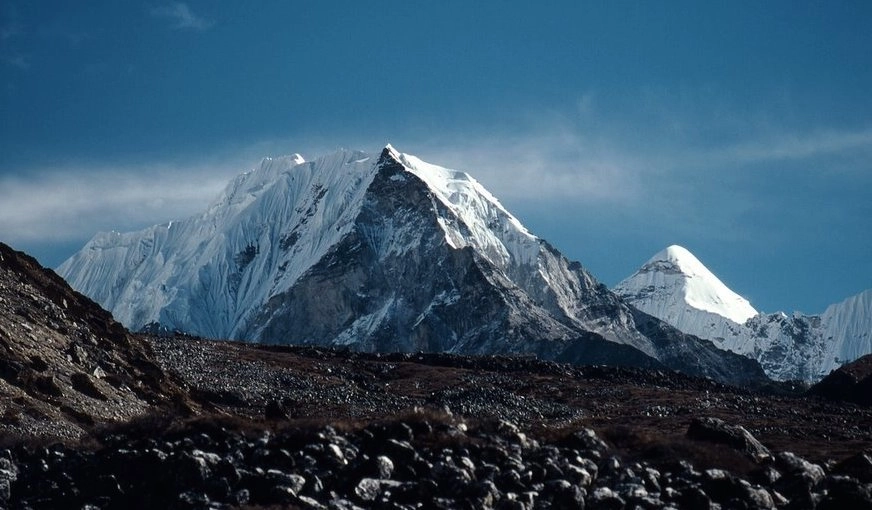
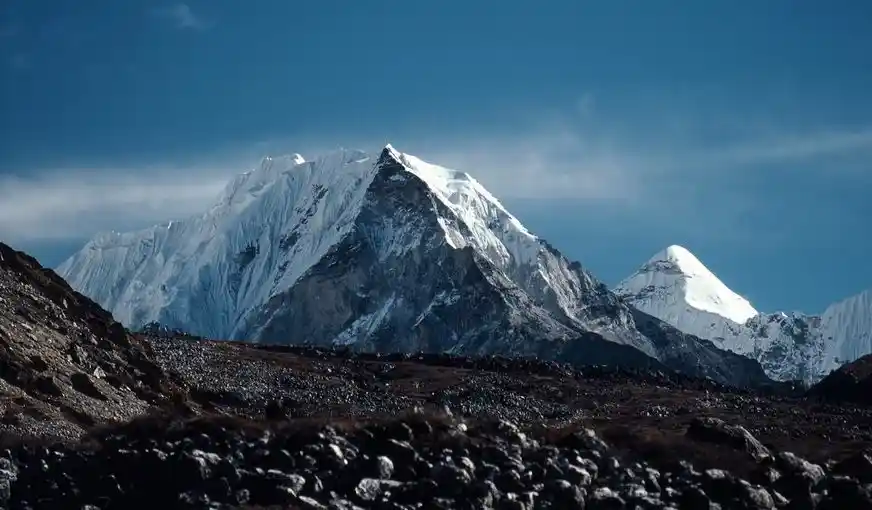
Summit Island Peak, a climbing adventure to the peak at an altitude of 6189 meters above sea level.
-
Witness breathtaking 360° views of Everest, Lhotse, Nuptse, and Ama Dablam.
-
Experience glacier crossings, ice-axe training, and fixed-rope climbs under expert Sherpa guidance.
-
Trek through the heart of the Khumbu Valley, past Dingboche, Chukhung, and Lobuche villages.
-
Immerse in Sherpa culture and traditional Himalayan hospitality in authentic teahouses.
-
Explore the spectacular Imja Glacier and high-altitude alpine landscapes.
-
Enjoy a manageable but thrilling peak climb suitable for both beginners and seasoned trekkers.
-
Witness rare Himalayan wildlife and flora along pristine trails.
-
Combine trekking with a true expedition vibe, including high camps and a summit night experience.
-
Option to add Everest Base Camp or Gokyo Ri for an epic Himalayan combo adventure.
Trip Overview
Island Peak Climbing is where high-altitude trekking meets real Himalayan mountaineering. Sitting at an altitude of 6,189 meters above sea level, Island Peak (Imja Tse) offers a powerful blend of adrenaline, raw beauty, and personal achievement. From the moment you step onto the Lukla airstrip, this journey pulls you deep into the Khumbu Valley, toward glaciers, ice walls, and one unforgettable summit night.
Let us tell you that the Island Peak Climbing journey isn't just about trekking with views. It's actually a hands-on Himalayan expedition. The trail crosses swinging suspension bridges, climbs through wind-carved valleys, and makes us stand face-to-face with the world’s highest mountains. Besides, trekkers are treated to mind-blowing views of Himalayan giants such as Everest, Lhotse, Nuptse, and Ama Dablam. Every single day on the Island Peak Climbing map brings altitude, challenge, and reward in equal measure.
As you climb higher on the trail, the landscape sharpens. You will witness forest trails giving way to alpine terrain and habitation becoming sparse. In places like Dingboche and Chukhung, the air feels thinner, the silence deeper, and the anticipation stronger. Sherpa culture surrounds you, grounding the journey with prayer flags, stone mani walls, and stories shaped by generations of mountain life.
The true magic of the Island Peak Climbing adventure begins above base camp. Here, Mercy Holiday's Sherpa team trains you with ice axes, crampons, and fixed ropes with mountain climbing skills before ascending to the peak via a glacier. Summit night starts long before sunrise. Headlamps glow in the darkness. Boots crunch against ice. Step by step, you climb toward the sky. Then, suddenly, the summit arrives. The horizon explodes with Himalayan giants, and the effort of every step makes sense.
Despite being a technical climb, Island Peak remains approachable. With proper acclimatisation, expert Sherpa guides, and a well-paced itinerary, it’s an ideal first Himalayan peak for determined beginners and a rewarding challenge for experienced trekkers alike.
Add Everest Base Camp or Gokyo Ri if you want more. Or keep it focused and pure. However, remember that Island Peak Climbing in Nepal is not about ticking a box. It’s about standing higher than you ever have before, surrounded by the Himalayas, fully alive in the moment.
Permits for Island Peak Climbing
To climb Island Peak, climbers need to obtain three permits, along with a Trekkers' Information Management System (TIMS) card. Here are the permits that you need for this mountain climbing journey:
-
Island Peak Climbing Permit (NMA)
-
Sagarmatha National Park Entry Permit
-
Khumbu Pasang Lhamu Rural Municipality Permit
All these permits have different fees, but with Mercy Holidays, you have nothing to worry about. That's because the cost of all three permits and the TIMS card is included in our package cost. Just book the Island Peak Climbing package with us, and your permits will be delivered to you.
Trip Itinerary
Day 1: Arrival at Kathmandu & transfer to hotel.
Your Island Peak Climbing journey begins the moment you land in the Tribhuwan International Airport, Kathmandu. As your plane touches down, the Himalayas may still be far away, but the energy of Nepal hits instantly. After you land, the Mercy Holidays team greets you and then escorts you through the lively streets to your hotel. This short drive offers a glimpse of Nepal's capital city's chaotic yet welcoming side. Today stays intentionally relaxed, giving you space to recover from travel and ease into a new rhythm.
Take yourself out in the street for some exploration, relaxation, and pre-climb shopping in the evening. At night, we invite you for a welcome dinner where you will also meet your guide for the Island Peak Climbing journey.
Day 2: Fly to Lukla (2,800m/9,184ft) then trek to Phakding (2,652m/8,700ft).
Day 3: Trek from Phakding to Namche Bazaar (3,440m/11,283ft)
Day 4: Rest day at Namche Bazaar for acclimatization.
Day 5: Trek from Namche Bazaar to Tengboche (3,870m/12,694ft)
Day 6: Trek from Tengboche to Dingboche (4,460m)
Day 7: Acclimatisation day at Dingboche and Hike to Nangkartshang Peak (5083m)
Day 8: Trek from Dingboche to Lobuche (4,900 meters)
Day 9: Trek to Gorakshep (5,180m), trek to EBC & overnight stay at Gorakshep.
Day 10: Hike to Kalapatthar (5,550m) at sunrise & trek to Lobuche (4,900 m).
Day 11: Trek from Lobuche to Kongma La (5,535m/18,159ft) to Chhukung (4,730m/15,518ft)
Day 12: Trek to Island Peak base camp (5,200m/17,060ft)
Day 13: Island Peak base Camp to the Summit of Island Peak (6,189m/20,305ft), back to Chhukung.
Day 14: Trek from Chhukung to Namche Bazaar (3,440m/11,286ft)
Day 15: Trek from Namche Bazaar to Lukla (2,800m/9,186ft)
Day 16: Fly back to Kathmandu (1,350m/4,428ft).
Day 17: Final Departure from Kathmandu.
Include/Exclude
Cost Includes
-
Airport transfers in Kathmandu (arrival and departure)
-
Hotel accommodation in Kathmandu with breakfast (before and after the expedition)
-
Domestic flights: Kathmandu–Lukla–Kathmandu, including airport transfers
-
All trekking and climbing permits, including Sagarmatha National Park entry and Island Peak climbing permit
-
Experienced, licensed trekking guide and Island Peak climbing guide
-
Assistant guides and porters (shared basis) with proper insurance
-
All meals during the trek and climb (breakfast, lunch, and dinner)
-
Teahouse accommodation during the trek and tent accommodation at Island Peak Base Camp
-
Group climbing equipment: fixed ropes, ice screws, snow bars, and safety gear
-
Pre-summit climbing briefing and basic skills guidance
-
First aid medical kit and oximeter for altitude monitoring
-
All government taxes and service charges
-
24/7 on-trip support from our local operations team
Cost Excludes
-
International airfare to and from Kathmandu
-
Nepal visa fees
-
Travel and high-altitude rescue insurance (mandatory but arranged independently)
-
Personal climbing gear (boots, crampons, harness, ice axe, helmet, sleeping bag)
-
Meals in Kathmandu (except breakfast)
-
Personal expenses such as snacks, drinks, Wi-Fi, hot showers, and charging devices
-
Tips for guides, porters, and climbing staff (customary but discretionary)
-
Extra accommodation or flights due to weather delays or early return
-
Private room upgrades were available
-
Any costs not mentioned under “What’s Included”
Gallery
Essential Info
Best Seasons for Island Peak Climbing
Timing plays a crucial role in determining the safety, scenic beauty, and overall success of your Island Peak climb. Weather patterns in the Everest region vary dramatically across the year, so here’s a season-by-season breakdown, ranked from best to least recommended.
Spring (March to May) - Best Season
Regardless of which trekking or peak climbing journey you choose to go for in Nepal, the spring season certainly is the best time. During this season, weather conditions are relatively stable, temperatures are manageable at high altitudes, and snow conditions on the summit ridge are usually excellent for use with crampons and fixed ropes. Lower trails are alive with blooming rhododendrons, while summit days often deliver calm mornings and crystal-clear Himalayan views.
Autumn (September to November) - Another Best Season
Autumn is another top choice, especially for trekkers combining Island Peak with Everest Base Camp or the Three Passes route. After the monsoon clears the air, visibility is exceptional, offering sharp views of Everest, Lhotse, and Ama Dablam. Days are dry and stable, though temperatures begin to drop later in the season, particularly above base camp.
Winter (December to February) – Challenging but Possible
Winter climbs are suitable only for experienced and well-prepared climbers. While skies can be clear and trails are far less crowded, temperatures drop significantly, especially at night and above 5,000 metres. Strong winds and extreme cold increase difficulty, making summit attempts more demanding and physically intense.
Monsoon / Summer (June to August) – Least Recommended
The monsoon season is generally not advised for Island Peak climbing. Heavy rainfall affects lower trails, clouds often block mountain views, and flights to Lukla are frequently delayed or cancelled. Snowfall, wet conditions, and reduced visibility at higher elevations increase risk, making this the least favourable time for a safe and enjoyable climb.
Island Peak Difficulty Level
Professionals describe the Island Peak trek as a perfect bridge between high-altitude trekking and Himalayan mountaineering. This peak trekking journey is challenging but not extreme, designed for trekkers who want to take their first step into a true summit experience. With proper acclimatisation, training, and guide support, it is well within reach for determined beginners.
What makes Island Peak climbing difficult:
-
High altitude (6,189m): The biggest challenge is altitude rather than technical difficulty. Thin air, cold temperatures, and long summit hours test endurance and mental strength.
-
Long trekking approach: Several days of sustained trekking through the Everest region demand good cardiovascular fitness and stamina.
-
Summit day effort: Summit day can last 10-12 hours, starting before dawn and requiring steady pacing over snow, ice, and glacier terrain.
-
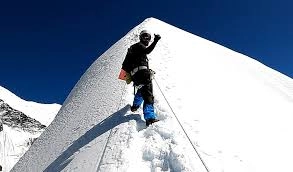
Basic technical climbing: The final ascent requires crampons, an ice axe, fixed ropes, and a harness, especially on the steep headwall below the summit.
-
Steep snow and ice slopes: Sections near the summit reach 45–50 degrees, adding excitement and requiring focus and balance.
-
Cold alpine conditions: Early morning temperatures can drop well below freezing, especially in spring and autumn.
In simple terms, Island Peak is physically demanding, technically manageable, and deeply rewarding. It is tough enough to feel like a real Himalayan achievement, yet structured in a way that allows first-time climbers to succeed with the right preparation and support.
Transportation During Island Peak Climbing
Transportation during Island Peak Climbing is not just a way to get from point A to point B; it is part of the adventure itself. The journey gradually transitions from busy city roads to remote mountain trails, setting the tone for a true Himalayan expedition.
Key transportation stages during the climb:
-
International arrival in Kathmandu: Your journey begins with arrival at Tribhuvan International Airport, followed by a private transfer to your hotel in Kathmandu for rest and preparation.
-
Domestic flight to Lukla: A short yet dramatic flight from Kathmandu (or Ramechhap during peak seasons) takes you to Lukla Airport (2,800m), the gateway to the Everest and Island Peak region.
-
Trekking on foot through the Khumbu: From Lukla onward, all transportation is by foot, following classic trekking trails through Phakding, Namche Bazaar, Tengboche, Dingboche, Lobuche, and Chhukung.
-
Porters and pack animals: Porters, yaks, and mules carry the bulk of equipment and supplies, allowing climbers to trek comfortably with a light daypack.
-
Return flight from Lukla: After completing the climb and trek, a return flight brings you back to Kathmandu, marking the end of the mountain journey.
All domestic flights, ground transfers, and logistical arrangements are coordinated in advance to minimise delays and ensure safety.
Food and Accommodation During Island Peak Climbing
With Mercy Holidays, trekkers do not have to worry about the food and accommodation arrangements during the Island Peak Climbing journey. That's because we make sure that food and accommodation are designed to keep you well-rested, well-fed, and properly fueled as altitude and physical demands increase.
While comfort becomes simpler the higher up you go, the focus remains on warmth, nutrition, and recovery. Overall, the experience balances authentic mountain living with practical support for a successful summit.
Accommodation
-
Teahouse stays during the trek: From Lukla to Chhukung, accommodation is in traditional Himalayan teahouses offering twin-share rooms, blankets, and shared dining areas.
-
Basic but comfortable facilities: As altitude increases, rooms become simpler, often unheated, but always clean and safe.
-
Island Peak Base Camp camping: At base camp, accommodation shifts to fully supported tented camping, including sleeping, dining, and toilet tents.
-
Experienced crew support: Camp setup, meals, and logistics are handled by trained climbing staff, allowing you to rest and focus on acclimatisation.
Food
-
Energy-focused trekking meals: Expect a variety of filling options, including dal bhat, noodles, rice, pasta, potatoes, soups, eggs, and seasonal vegetables.
-
High-altitude friendly diet: As elevation increases, meals are kept lighter, warmer, and easier to digest to support altitude adaptation.
-
Climbing and base camp meals: At base camp, meals are freshly prepared by the expedition cook and tailored to maintain energy for summit day.
-
Hydration support: Hot drinks like tea, ginger lemon, garlic soup, and boiled water are regularly available to help prevent dehydration.
Although menus are simpler at higher altitudes, the consistency and nourishment of meals are key to your overall success. By the time summit day arrives, your body is well supported with the calories and rest it needs to perform in extreme alpine conditions.
Altitude Sickness and Acclimatisation
Altitude sickness is one of the most important factors to understand when climbing Island Peak. Since the summit rises to 6,189 meters, your body needs time to adapt to thinner oxygen levels. The good news is that Island Peak itineraries are intentionally designed with acclimatisation days, gradual elevation gain, and expert monitoring to keep the climb safe and achievable.
How is acclimatisation managed during the Island Peak Climbing Trek?
-
Gradual ascent profile: The route gains altitude steadily through Namche Bazaar, Dingboche, Lobuche, and Chhukung, allowing your body to adapt naturally.
-
Dedicated acclimatisation days: Rest days in Namche Bazaar and Dingboche, including acclimatisation hikes, help increase red blood cell production.
-
“Climb high, sleep low” approach: Short hikes to higher elevations followed by lower sleeping altitudes improve oxygen efficiency.
-
Base camp training day: Time spent at Island Peak Base Camp allows further adaptation while learning technical climbing skills.
Common altitude sickness symptoms to watch for:
-
Headache, dizziness, or nausea
-
Loss of appetite or unusual fatigue
-
Difficulty sleeping at higher camps
-
Shortness of breath at rest
Safety measures in place:
-
Daily health checks by experienced guides
-
Flexible itinerary to allow extra rest if needed
-
Immediate descent protocols if symptoms worsen
-
Emergency evacuation planning, including helicopter rescue if required
Most climbers experience mild altitude effects at some point, which is completely normal. With proper pacing, hydration, nutrition, and guide support, the vast majority adapt well and continue safely toward the summit.
Acclimatisation is not a race here; it is a core part of the Island Peak climbing experience and one of the key reasons this peak remains accessible to first-time Himalayan climbers.
What to Pack for the Island Peak Climbing Trek
Packing for Island Peak Climbing is all about layering, functionality, and reliability. You do not need extreme expedition gear, but every item should perform well in cold, high-altitude conditions. A well-planned kit keeps you warm, safe, and comfortable from the trekking days through to summit morning.
Here are what you must carry for the Island Peak Climbing Trek:
Clothing layers
-
Base layers: Moisture-wicking thermal tops and bottoms (2–3 sets)
-
Mid layers: Fleece or a light insulated jacket for warmth while trekking
-
Insulation layer: Down or synthetic jacket rated for sub-zero temperatures
-
Outer shell: Waterproof and windproof jacket and trousers (Gore-Tex or similar)
-
Trekking pants & shirts: Lightweight, breathable, quick-dry
-
Summit gloves: Insulated, waterproof gloves plus lighter inner gloves
-
Warm hat & buff: Essential for cold mornings and summit day
-
Sun hat & sunglasses: High UV exposure at altitude
Footwear
-
Mountaineering boots: Double or insulated single boots compatible with crampons
-
Trekking boots: Broken-in, waterproof boots for the approach trek
-
Camp shoes: Lightweight sandals or insulated booties
-
Socks: Wool or thermal socks (4-5 pairs)
Climbing and technical gear
-
Crampons
-
Ice axe
-
Climbing harness
-
Helmet
-
Ascender (jumar)
-
Carabiners and belay device
Backpacks and bags:
-
Trekking backpack (30-40L): For daily essentials
-
Duffel bag (80-100L): Carried by porters
-
Dry bags or packing cubes: Keep gear organised and dry
Sleeping and personal items:
-
Four-season sleeping bag: Rated to at least -15°C
-
Sleeping bag liner: Adds warmth and hygiene
-
Headlamp: With spare batteries for summit night
-
Trekking poles: Very helpful for long descents
-
Water bottles or hydration system: Plus purification tablets
-
Personal first-aid kit: Blister care, pain relief, personal medication
-
Sunscreen & lip balm: High SPF is essential
-
Toiletries & wet wipes: Keep it minimal
Optional but highly recommended:
-
Power bank or solar charger
-
Camera or action cam
-
Earplugs for teahouses
-
Snacks you trust at altitude
Besides, the Mercy Holidays guide will also provide a detailed packing checklist and gear rental options in Kathmandu, so you do not need to buy everything before arriving.
Ready to Climb the Island Peak?
Island Peak is more than just a summit. It is a carefully guided journey from classic Everest trekking to your first true Himalayan mountaineering experience. With the right preparation, experienced guides, and a well-paced itinerary, this climb is challenging, achievable, and deeply rewarding.
If you are ready to take the next step, now is the time to turn preparation into action. Speak with a specialist team, review dates and inclusions, and start planning a climb that prioritises safety, acclimatisation, and summit success.
Book the package right away with Mercy Holidays!
Reviews
No reviews found.
Price per person
USD $5000
We offer Group Price
10-20 pax
USD $5,000.00
20-30 pax
USD $10,000.00
CUSTOMIZE YOUR TRIP
Let us know your preferences, and we’ll create a tailor-made travel experience just for you.
Personalize My TripTalk to an Expert
Bimala Humagain
( Tour Expert)
Sujit Tamang
( Trekking Expert)
Govin Dhakal
( Ticketing Expert)
aayush Karki
( Visa Expert)
