Duration
17 Days
Difficulty
Hard
Destination
Nepal
Max. Elevation
5,160 m / 16,929 ft
Group Size
1-15 Pax
Activity
Hikking & Trekking
Best Season
Autumn, Spring
Trip Code
MCG101
Trip Highlights
- Trek around Mount Manaslu (8,163m), the world’s 8th highest peak, on one of Nepal’s most remote and spectacular circuits
- Cross the dramatic Larkya La Pass (5,160m), the trek's highest point, offering breathtaking Himalayan panoramas.
- Discover authentic mountain villages such as Soti Khola, Sama Gaon, and Samdo, rich in Tibetan Buddhist culture.
- Enjoy magnificent views of Manaslu, Ganesh Himal, Himalchuli, and Annapurna ranges throughout the journey.
- Visit Serang Gumba, a sacred Himalayan monastery, with a free exploration day for meditation, yoga practice, and a traditional monk chanting session.
- Walk through diverse landscapes—from subtropical forests and terraced fields to alpine meadows and glacial valleys.
- Experience warm mountain hospitality on a trail with fewer crowds than the Everest and Annapurna regions.
- A challenging yet deeply rewarding trek, ideal for seasoned trekkers seeking an off-the-beaten-path adventure
Trip Overview
The Manaslu Circuit with Serang Gumba Trek is one of Nepal’s most spectacular and less-crowded trekking experiences, compared with the Everest and Annapurna regions. Offering a perfect blend of raw Himalayan wilderness and deep cultural immersion. Spanning 15–17 days, the classic circuit encircles Mount Manaslu (8,163m)—the world’s 8th highest peak—and leads trekkers through remote valleys along the Tibetan border.
The trail showcases Nepal’s incredible diversity, from subtropical forests and rushing rivers to high-altitude pastures and glacial landscapes. Along the way, trekkers pass through traditional villages such as Machha Khola, Jagat, Sama Gaon, and Samdo, where Tibetan Buddhist traditions deeply influence daily life. Ancient monasteries, prayer flags, mani walls, and chortens add a strong spiritual atmosphere to the journey.
A unique highlight of this itinerary is a visit to Serang Gumba, a sacred Himalayan monastery hidden in the highlands. Trekkers enjoy a dedicated day for exploration, allowing time for meditation, yoga practice, and experiencing monk chanting, offering a rare opportunity for spiritual reflection amid the mountains.
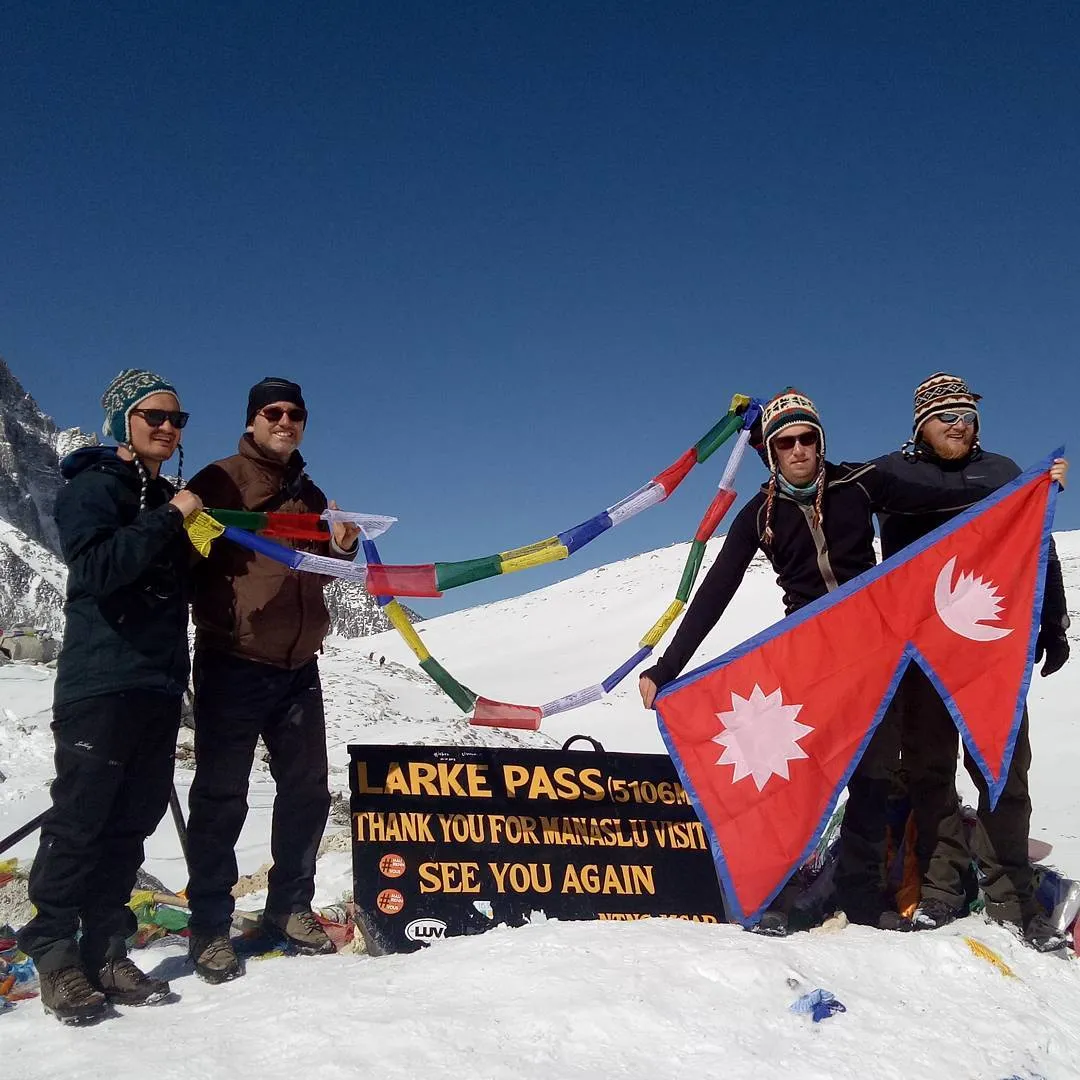
The ultimate physical and visual reward of the trek is crossing the Larkya La Pass (5,160m), one of the most dramatic high passes in Nepal, with breathtaking panoramic views of the Manaslu, Himalchuli, Ganesh Himal, and Annapurna ranges.
Due to its challenging terrain, remote setting, and restricted-area status, the Manaslu Circuit Trek is best suited for trekkers seeking adventure, solitude, and authentic Himalayan culture. Special permits are required to keep the trail uncrowded and preserve its pristine character, making this trek a truly exclusive and rewarding Himalayan journey.
Permits Required for Manaslu Region Trekking
- Manaslu Restricted Area Permit (RAP) (restricted area from Jagat to Dharapani/Samagaun)
- Manaslu Conservation Area Permit (MCAP)
- Annapurna Conservation Area Permit (ACAP)
- Chum Nubri Rural Municipality Permit
If your route includes Tsum Valley, you will need this additional restricted permit, as Tsum is itself a restricted zone.
Important Rules & Tips
No solo trekking — you must be in a group (min. 2) with a licensed guide.
Permits must match your itinerary (dates and route).
Checkpoints along the trail (Jagat, Samagaun, etc.) will verify permits and provide guidance.
Trip Itinerary
Day 1: Arrival in Kathmandu (1,400m)
Upon arrival at Tribhuvan International Airport, you will be warmly greeted and transferred to a particular hotel. Your trekking guide will arrange an orientation session (Main trip briefing) covering the trek route, safety tips, and equipment check. The evening is ideal for a traditional Nepali welcome dinner, offering a taste of local cuisine and culture. An overnight stay at a comfortable hotel in Kathmandu prepares you for the adventure ahead.
Walking Hours
Optional
Distance
6.4 KM
Transport
Airport Pick
Max. Altitude
1400m
Meals
Welcome Dinner
Accommodation
3-5* Star Hotel
Day 2: Drive from Kathmandu to Machha Khola (930m) – 8 to 9 hrs
Day 3: Trek from Machha Khola to Jagat (1,410m) – 6 to 7 hrs
Day 4: Trek from Jagat to Deng (1,804m) – 6 hrs
Day 5: Trek from Deng to Serang Gumba (3,100m) – 6 to 7 hrs
Day 6: Free Exploration Day – Meditation and Yoga Session
Day 7: Trek from Serang Gumba to Numbrung 2,630 m – 6- 7 hrs
Day 8: Trek from Numbrung to Lho (3,180m) – 5 to 6 hrs
Day 9: Trek from Lho to Sama Gaun (3,520m) – 5 hrs
Day 10: Acclimatization Day at Sama Gaun
Day 11: Trek from Sama Gaun to Samdo (3,875m) – 4 hrs
Day 12: Trek from Samdo to Dharamsala (4,460m) – 4 hrs
Day 13: Cross Larkya La Pass (5,160m) – Trek to Bhimtang (3,720m) – 8 to 9 hrs
Day 14: Trek from Bhimtang to Tilije (2,300m) – 5 hrs; Drive to Besisahar – 3 hrs
Day 15: Drive from Besisahar to Kathmandu – 6 to 7 hrs
Day 16: Kathmandu Free Exploration Day
Day 17: Fly Back Home
Route Map
Include/Exclude
Cost Includes
- Airport Transfers: Private pickup and drop-off for international and domestic flights.
- Hotel Stay in Kathmandu: 3 nights in comfortable 3–5★ hotels on a twin-sharing basis.
- Sightseeing Tour: Half-day guided city tour covering two major UNESCO World Heritage Sites in Kathmandu, including transportation, a professional guide, and entrance fees.
- All Ground transfers as per the itinerary by bus or Jeep
- Special Meals: Welcome and farewell dinners before and after the trek.
- Meals During the Trek: All meals included — breakfast, lunch, and dinner — each served with a complimentary cup of tea or coffee.
- Trekking Accommodation: Comfortable teahouse lodging on a twin-sharing basis.
- Professional Trekking Team (staff wages, allowances, and insurance included):
- 1 licensed, English-speaking trekking guide
- 1 assistant guide for every four trekkers
- Porter service — 1 porter for every two trekkers
- Permits Required for Manaslu Region Trekking
Manaslu Restricted Area Permit (RAP)
Manaslu Conservation Area Permit (MCAP)
Annapurna Conservation Area Permit (ACAP) - Trekking Equipment: Essential gear includes sleeping bags, fleece liners, down jackets, raincoats, and crampons/trekking poles (must be requested at least 1 month before departure).
- Complimentary Items: Trekking map, duffel bag, T-shirt, and trek completion certificate.
- Safety Support: Comprehensive medical first-aid kit and trekking oxygen supply for altitudes above 4,000 m.
- Taxes & Service Charges: All government taxes and official service fees are included.
Cost Excludes
- Nepal Visa: The fee depends on the duration of stay (15 / 30 / 90 days).
- International Airfare: All international flights to and from Nepal.
- Personal Expenses: Nepalese SIM card, internet, phone charging, hot showers, laundry, bakery items, fizzy drinks, alcohol, and other personal costs.
- Emergency Expenses: Medical examinations, horse rentals, helicopter evacuation, and rescue services.
- Staff Tipping: Voluntary but customary in trekking culture.
- Extra Nights: Additional accommodation in Kathmandu for early arrivals or late departures.
- Special Permits / Sanctions: Permits or letters of authorisation required for special filming, large drones, or professional filming equipment.
- Insurance: All-inclusive travel or medical insurance is mandatory but not included.
- Extra Porter / Assistant Guide: Available upon request at an additional cost of approximately $25 per day.
- Optional Tours: Any optional sightseeing tours or activities during free time.
- Other Costs: Expenses arising from flight delays or itinerary changes.
Gallery
Essential Info
Best Season for Manaslu Circuit with Sarang Gumba Trekking.
The Manaslu Circuit with Sarang Gumba Trek is best done during seasons with clear skies, comfortable temperatures, and stable mountain weather. While Manaslu can be trekked year-round, spring and autumn stand out for their visibility, trail conditions, and overall trekking comfort. Also, these seasons offer the trekkers the best chance to enjoy sweeping Himalayan panoramas without battling harsh cold, heavy rain, or slippery trails.
Ideal Trekking Seasons
- Spring (March to May): Blooming rhododendrons, warmer days, long-distance visibility.
- Autumn (September to November): Crystal-clear skies, stable weather, iconic views of Mansalu and other mountains.
- Winter (December to February): Crisp air and quiet trails; colder temperatures and occasional snow.
- Monsoon (June to August): Lush greenery and fewer crowds; clouds, rain, and reduced visibility.
Manaslu Circuit with Sarang Gumba Trek Difficulty Level
The Manaslu Circuit Trek with the Sarang (Serang) Gumba side trip is considered a moderate to challenging trek due to its long duration, high altitude, and remote terrain. Trekkers typically walk 5 to 8 hours per day on steep, uneven trails, with the main physical challenge being the crossing of Larkya La Pass at 5,160 meters. The side excursion to Sarang Gumba, reaching around 4,200 meters, adds additional uphill effort and requires good stamina, though no technical climbing skills are needed. Proper acclimatisation, good physical fitness, and mental readiness are essential to manage altitude, weather changes, and basic facilities. With a well-planned itinerary and experienced guidance, the trek is achievable and highly rewarding, offering a unique combination of dramatic Himalayan scenery and rich cultural experience in a less-crowded region.
Overall Difficulty Breakdown: Moderate–Challenging
Why it's Challenging
- Long duration: 15–18 days (with Sarang Gumba)
- High altitude: Larkya La Pass – 5,160 m (main challenge)
- Sarang Gumba side hike reaches ~4,200 m
- Remote terrain: Limited facilities, fewer evacuation options
- Daily walking: 5–8 hours on average
- Rough trails: Landslide zones, narrow paths, stone steps
- Weather exposure: Snow and strong winds near the pass
Food and Accommodation
Food
Trekkers can expect hearty, comforting food tailored to keep trekkers energised at altitude. Also, almost all the tea houses along the trekking trail prepare flavourful yet straightforward dishes with fresh, locally sourced ingredients, and the menus are surprisingly diverse for such remote terrain. So, whether you prefer traditional Nepali meals or familiar international options, there's always something warm and satisfying waiting at the end of each trekking day.
Here's what you can expect:
- Dal Bhat: The classic trekker's favourite; unlimited refills and packed with energy.
- Soups & Noodles: Sherpa stew, garlic soup, thukpa, and ramen-style bowls.
- Carb-Friendly Meals: Fried rice, pasta, potatoes, pancakes, toast.
- Snacks: Momos, chapati, biscuits, porridge, and chocolate bars.
- Hot Drinks: Tea, hot lemon, ginger honey, cocoa, and instant coffee.
Accommodation
The Mercy Holidays team ensures to arrange the best accommodation throughout the journey to Manaslu Circuit with the sarang gumba trek. Mostly, we can expect traditional Nepali teahouses offering cosy rooms, friendly service, and the warm communal atmosphere trekkers love. Even though the rooms are simple, we ensure that they remain clean, comfortable, and ideally suited to the adventure. After a tiring and adventurous day of walking, you will undoubtedly be in for a warm bed, hearty meals, and a relaxed space.
Along the trail, the tea houses offer twin-share wooden rooms with warm blankets and shared bathrooms. Also, expect heated communal dining rooms for meals and relaxation. Furthermore, all the tea houses also provide facilities like WiFi, electricity, and hot water for showers, but let us tell you that you might have to pay extra at the higher altitudes.
How to Prepare for the Everest Base Camp Halfway Trek
Preparing for the Halfway to Everest Base Camp Trek is simpler than many travellers expect. As the route stays at moderate altitudes and follows well-established trails, your focus should be on building steady stamina rather than intense athletic fitness. Therefore, we recommend that trekkers focus on a mix of light training, the right gear, and a little mental preparation; this goes a long way toward making the journey comfortable, enjoyable, and deeply rewarding.
Preparation Essentials
- Start Light Training: Walk, jog, cycle, or climb stairs 3-4 times a week for at least a month.
- Add Day Hikes: Try weekend hikes with a light backpack to condition your legs and balance.
- Break in Your Boots: Wear your trekking boots long before the trip to avoid blisters.
- Practice Hydration: Get used to drinking plenty of water during physical activity.
- Check Your Gear: Test layers, backpack fit, walking poles, and rain gear before departure.
- Mental Prep: Expect early mornings, basic teahouses, and a slower mountain pace.
Packing List
One of the best ways to stay safe and keep going on any trek is to pack smart and light. The same goes for the Manaslu Circuit, with Serang Gumba the route spans forest trails, breezy ridgelines, and cool evenings in teahouses; your gear should balance warmth, breathability, and practicality.
Here is what you need to pack for the Manslu Circuit with serang gumba Trek:
Trekking Clothes
- Sweat-observing base layers (top and bottom)
- Warm mid-layers (fleece or light synthetic jacket)
- Insulated down jacket for cold mornings and evenings
- Waterproof/windproof shell jacket and pants
- Trekking pants (quick-dry)
- Thermal gloves, lightweight gloves, beanie, buff
- Sun hat or cap
Footwear
- Trekking boots with good ankle support
- Merino or synthetic trekking socks (3–4 pairs)
- Lightweight camp shoes or sandals
Gear and Accessories
- Daypack (25–30L) with rain cover
- Trekking poles
- Sunglasses (UV-protected)
- Headlamp with extra batteries
- Reusable water bottle or hydration bladder
- Quick-dry towel
- Sleeping liner (optional but handy in colder months)
Personal Items & Electronics
- Sunscreen, lip balm, moisturiser
- Basic first-aid kit (painkillers, blister care, personal meds)
- Hand sanitiser and wet wipes
- Toiletries (biodegradable where possible)
- Power bank
- Camera or phone for photos
- Chargers and travel adapters
Also, remember to carry all your documents along with some extra cash (Nepali Rupees).
Manslau Circuit with Serang Gumba Trek with Mercy Holidays!
Ready to trek the Manaslu Circuit with Serang Gumba Trek? Just sign in to experience the Himalayas like never before with Mercy Holidays! We ensure stunning mountain views, vibrant Sherpa culture, and unforgettable moments without the extreme altitude.
With us, you can expect
- Expert Guides: Feel safe and confident with our experienced trekking team.
- Comfortable Stays: Relax in cosy teahouses after every scenic day.
- All Logistics Handled: Flights, transfers, and meals organised for a hassle-free journey.
Don't wait, get yourself going to book this package with Mercy Holidays right away. If you have any concerns or questions about the package or our services, you can contact us.
FAQ
Where is Serang (Shereng) Gumba located?
How long is the Manaslu Circuit Trek?
What is the best season to trek the Manaslu Circuit?
Do I need a special permit?
Shall i do Solo Trek?
Is Serang Gumba accessible for acclimatisation?
What level of fitness is required?
What kind of accommodation is available?
Is food available along the trek?
Can I include meditation or yoga during the trek?
What is the highest point of the trek?
How do I return to Kathmandu after the trek?
Reviews
No reviews found.
Price per person
USD $2000
We offer Group Price
2-4 Pax
USD $1,850.00
5-6 Pax
USD $1,800.00
7-10 Pax
USD $1,740.00
11-15 Pax
USD $1,650.00
CUSTOMIZE YOUR TRIP
Let us know your preferences, and we’ll create a tailor-made travel experience just for you.
Personalize My TripTalk to an Expert
Bimala Humagain
( Tour Expert)
Sujit Tamang
( Trekking Expert)
Govin Dhakal
( Ticketing Expert)
aayush Karki
( Visa Expert)
